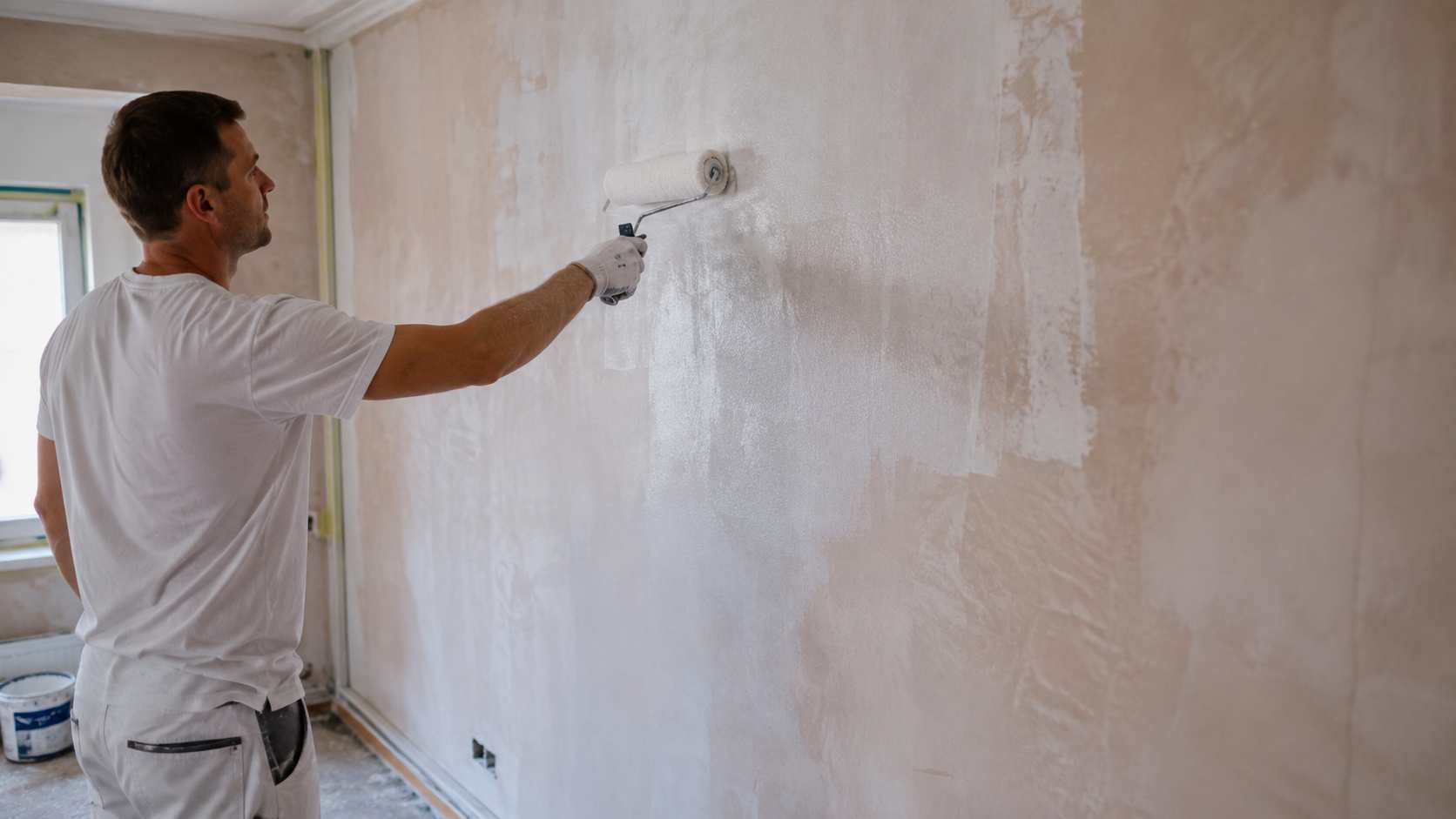
Twenty years ago, woodwork in a British home was painted with oil-based gloss and that was the end of the discussion. Regulations limiting solvent content and substantial improvements in acrylic technology have changed that, and water-based products now dominate. They are not automatically the right answer for every surface.
What is the fundamental difference?
The distinction is in the carrier that keeps the paint liquid until it is applied. Water-based paints, sometimes labelled acrylic, carry the resin and pigment in water, which evaporates and leaves the film to coalesce. Oil-based paints, also called solvent-based or alkyd, use petroleum solvents, and the film hardens through a chemical reaction with oxygen as well as by evaporation.
That reaction is why oil-based paint keeps hardening for weeks after it feels dry, and why it eventually becomes brittle and yellow. The oxidation that hardens it never entirely stops.
Which dries and recoats faster?
Water-based, decisively. Most water-based woodwork paints are touch dry within an hour or two and recoatable within four to six, so two coats in a day is straightforward. Oil-based products typically need overnight between coats, and often longer in a cold room.
The practical consequence is one of the main reasons decorators switched. A room can be masked, painted twice and unmasked in a single visit, which is a substantial saving on a job priced by the day.
Does oil-based paint really turn yellow?
Yes, and reliably so. The oils in the binder yellow as they oxidise, and the effect is worst in areas with little natural light. The inside of a wardrobe, the back of a door, a north-facing hallway and skirting behind furniture all yellow noticeably within a couple of years.
Water-based whites stay white. For anyone painting woodwork in brilliant white and expecting it to stay that way, this single factor usually settles the decision.
Where does oil-based still perform better?
- Surfaces needing maximum hardness, such as a handrail, a windowsill or a heavily used door edge
- Bare or previously oil-painted metal, including radiators and railings, where adhesion is better
- Achieving a very high gloss, since oil-based products flow out smoother under a brush
- Exterior joinery in exposed positions, though modern exterior acrylics have closed much of this gap
- Sealing timber with heavy tannin or knot resin, where an oil-based primer is more reliable
How does application differ between them?
Oil-based paint has a longer open time, meaning it stays workable for longer and self levels as it settles, which forgives an uneven brush technique. Water-based paint skins over much faster, so brush marks set where you leave them and going back over a partly dried area drags the film.
The technique that matters with water-based products is working quickly in sections, loading the brush generously rather than sparingly, and laying off in one direction while the paint is wet. A synthetic bristle brush is essential, since natural bristle absorbs water and goes limp.
Can you paint water-based over oil-based?
Yes, provided you prepare properly, and this is the situation most people face because existing woodwork in an older house is usually oil-based. The old gloss is hard and non-porous, so adhesion is the whole problem.
Sand the surface thoroughly to remove the sheen and create a key, working until the shine has gone rather than until you are bored. Clean off all dust, degrease with sugar soap, and apply an adhesion primer designed for glossy surfaces before your topcoats. Skipping the primer is the usual reason water-based paint peels off old gloss in strips months later.
What about smell and ventilation?
Oil-based paints release far more volatile organic compounds, which is both the strong smell and a genuine health consideration. Rooms need proper ventilation during and after application, and the smell can linger for days.
Water-based paints have a much lower odour and clean up in warm soapy water rather than white spirit, which is a meaningful practical advantage in an occupied home. Brushes and rollers last longer too, provided you wash them out before the paint dries in the stock.